
Germany 0–1 Greece: Missed Chances Shape Klopp's First Home Match
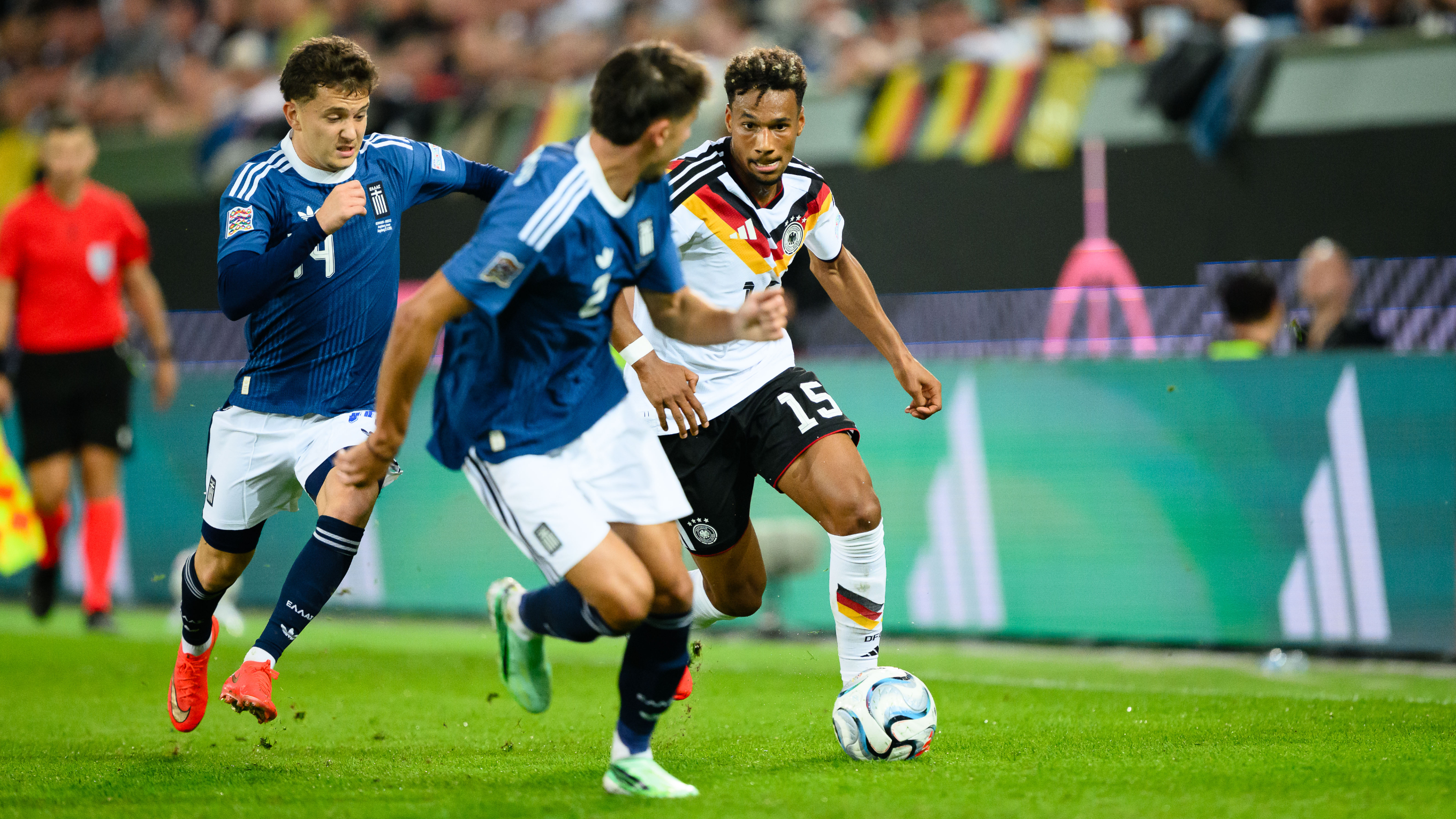
Germany's first home match under Jürgen Klopp ended in a 1–0 defeat by Greece in Augsburg on 27 September 2026. Dimitris Kourbelis supplied the decisive goal in the 74th minute, leaving the home side to reflect on chances that had arrived without producing a breakthrough. A night intended to build momentum instead became an early test of patience.
For supporters, that is an awkward combination: the anticipation surrounding a new coach, a home crowd ready for a result, and a match that remains within reach until the whistle. The score provides a clear outcome. Understanding the evening means looking at how opportunities, substitutions and a single late goal changed the feeling of the contest.
The chances before the interval
Karim Adeyemi had notable first-half openings, including a one-on-one effort that went over and another attempt saved by the Greek goalkeeper. Joshua Kimmich also tested the keeper with a free-kick. Germany reached half-time at 0–0, with the match still open and the earlier opportunities left unfinished. Greece had survived those moments without conceding.
When watching a replay, it is useful to separate creating a chance from finishing it. An attack can contain a well-timed run and a good pass even if the final effort misses. Equally, a promising shot does not automatically mean the team has established control. Following the next passage of play can be just as revealing: does possession return quickly, or does the opponent find room to settle?
The bench enters the story
Florian Wirtz and Jonathan Burkardt came on in the 65th minute, replacing Bambase Conté and Kevin Schade. Greece had introduced Kourbelis six minutes earlier. Those changes became part of a second half in which the next goal carried increasing weight. Wirtz's introduction offered another attacking option, but Germany still needed a moment that would turn the scoreboard in their favour.
Substitutions are often discussed as a verdict on the players leaving the field. For a supporter trying to follow the game closely, a more interesting question is what changes for the players who remain. A new teammate may want the ball in a different space or make a different run. Watching those connections gives a better sense of the change than simply counting fresh legs.
Kourbelis supplies the decisive moment
Kourbelis scored with a deflected effort in the 74th minute. Germany then had to chase an equaliser. Serge Gnabry replaced Adeyemi in the 76th minute, and the hosts continued searching for a response, but the game finished 0–1. Greece left Augsburg with the win after a goalless first half and a decisive contribution from the bench.
A deflection can make a goal feel especially frustrating because it changes the final path of the ball. Yet the useful replay starts before that last touch: where was the shooting space, which passing options were available, and how did the defending side arrive in that position? Those questions allow supporters to discuss the whole move without pretending that every unexpected bounce can be planned away.
What to watch in Germany's next outing
One home defeat is an uncomfortable opening chapter, but it does not answer every question about a new coaching period. For the next match, supporters can look for the relationship between the first forward pass and the movement around it. Does the receiving player have help nearby? Is there a runner beyond the ball? Can the team keep an attack alive when the first route towards goal closes?
Another useful detail is the response immediately after a missed chance. Players need to recover their positions as well as their composure. Fans can watch whether the next action looks connected to the one before it, or whether the team has to begin again from a scattered shape. These are viewing questions, not a claim that a single adjustment would have changed the result in Augsburg.
Following Wirtz through the international season
Wirtz's appearance from the bench gives his supporters another national-team performance to discuss alongside his club football. For those choosing a shirt for the next watch party, the Wirtz Germany home shirt for 2026 and the Wirtz Germany navy away shirt for 2026 offer two different looks. Check the listed print, sizing and version when choosing; a shirt selection can reflect a favourite player without being a record of one particular match.
The lasting picture from Augsburg is a narrow scoreline with a large emotional effect. Germany had openings, made changes and still finished without a goal. Greece found the moment that mattered. The next useful conversation for fans will be about how Germany turns promising situations into clearer finishes, while keeping enough structure behind those attacks to avoid another evening decided by a single late intervention.